
Binance CEO Richard Teng: AI Can Help or Harm Crypto Users 2026
The world’s largest crypto exchange leader says AI is a neutral tool — what matters is who uses it and how. Here is everything you need to know.
Read More
Latest cryptocurrency news, coin analysis, trading guides, and blockchain updates in simple language.
The world’s largest crypto exchange leader says AI is a neutral tool — what matters is who uses it and how. Here is everything you need to know.
Read More
Crypto is exciting, but it is also risky. One bad trade can destroy months of your savings. These 5 simple tips, based on advice from real government regulators, will help you protect your money first.
Read More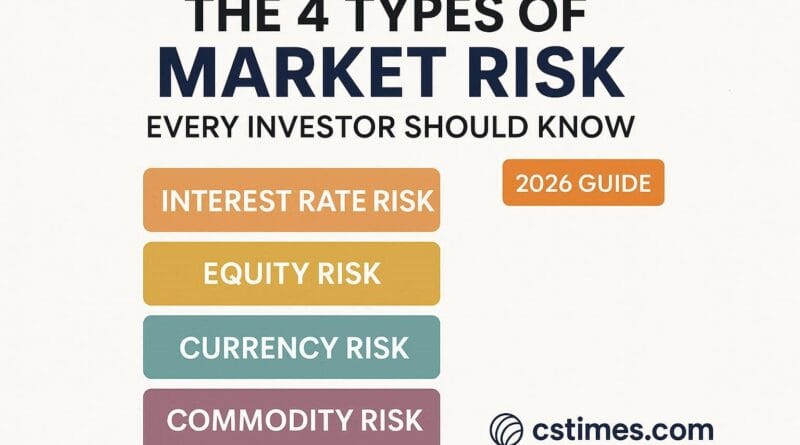
Learn the 4 main types of market risk in simple English. Equity, interest rate, currency, and commodity risk explained with real examples for 2026.
Read More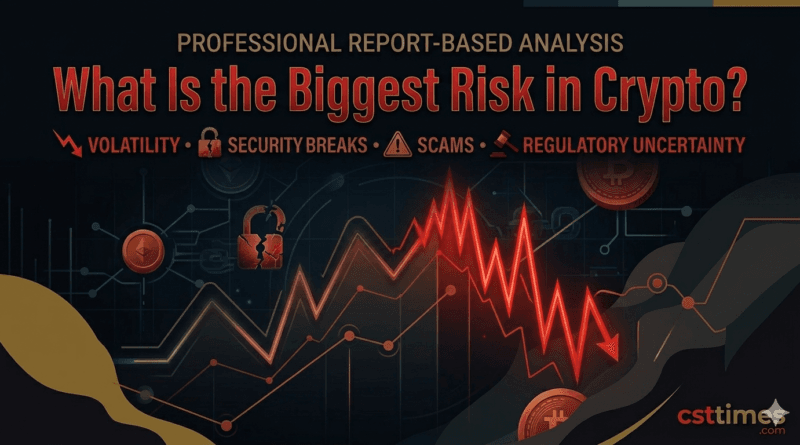
Cryptocurrency has emerged as one of the most disruptive financial innovations of the last decade. It offers high returns, global accessibility, and decentralized control. However, alongside these advantages, crypto markets also carry significant risks.
Among all risks, the most critical and dominant risk in cryptocurrency is price volatility, which directly affects investor capital. Global financial regulators, including the U.S. Securities and Exchange Commission (SEC), International Monetary Fund (IMF), and Bank for International Settlements (BIS), consistently identify volatility and market instability as key concerns in the crypto ecosystem.
Read More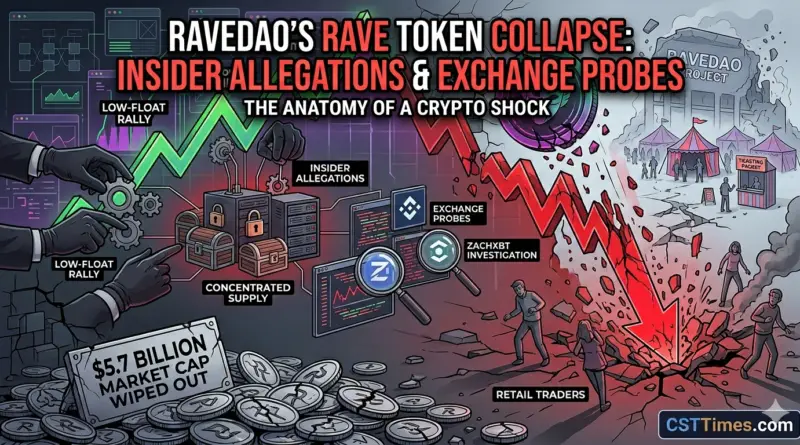
RaveDAO’s native token, RAVE, experienced one of the most dramatic collapses in recent crypto memory. After surging from roughly $0.25 to around $27 within about a week, the token reportedly lost nearly 90% of its value in a single day, erasing billions of dollars in market capitalization and leaving traders, exchanges, and observers scrambling for answers.
Read More
Over the past few years, cryptocurrencies like Bitcoin and Ethereum have gained popularity. Now a new trend is bringing large financial players – such as pension funds, banks, and hedge funds – into the crypto market: crypto ETFs (exchange-traded funds). Crypto ETFs let investors buy shares that track crypto prices on traditional stock exchanges. This “wrapper” makes crypto familiar and accessible to institutional investors. In January 2024 the U.S. SEC approved 11 Bitcoin ETFs from major firms (BlackRock, Fidelity, Ark, etc.), and in mid-2024 the first Ethereum ETFs followed. As a result, Bitcoin and Ethereum can now be bought via regulated funds, unlocking them for large investors who were previously on the sidelines.
Read More
Many people ask this question: Will Bitcoin replace gold?
This is an interesting topic because gold and Bitcoin are both seen as ways to protect value, but they are very different from each other. Gold has been used for thousands of years, while Bitcoin is a digital asset that started in 2009.
Institutional adoption of Bitcoin surged in 2025–2026 as banks, asset managers, corporations, and governments expanded exposure via custody, ETFs and treasury allocations. Learn the facts, drivers, risks, and what it means for price and usage.
Read More